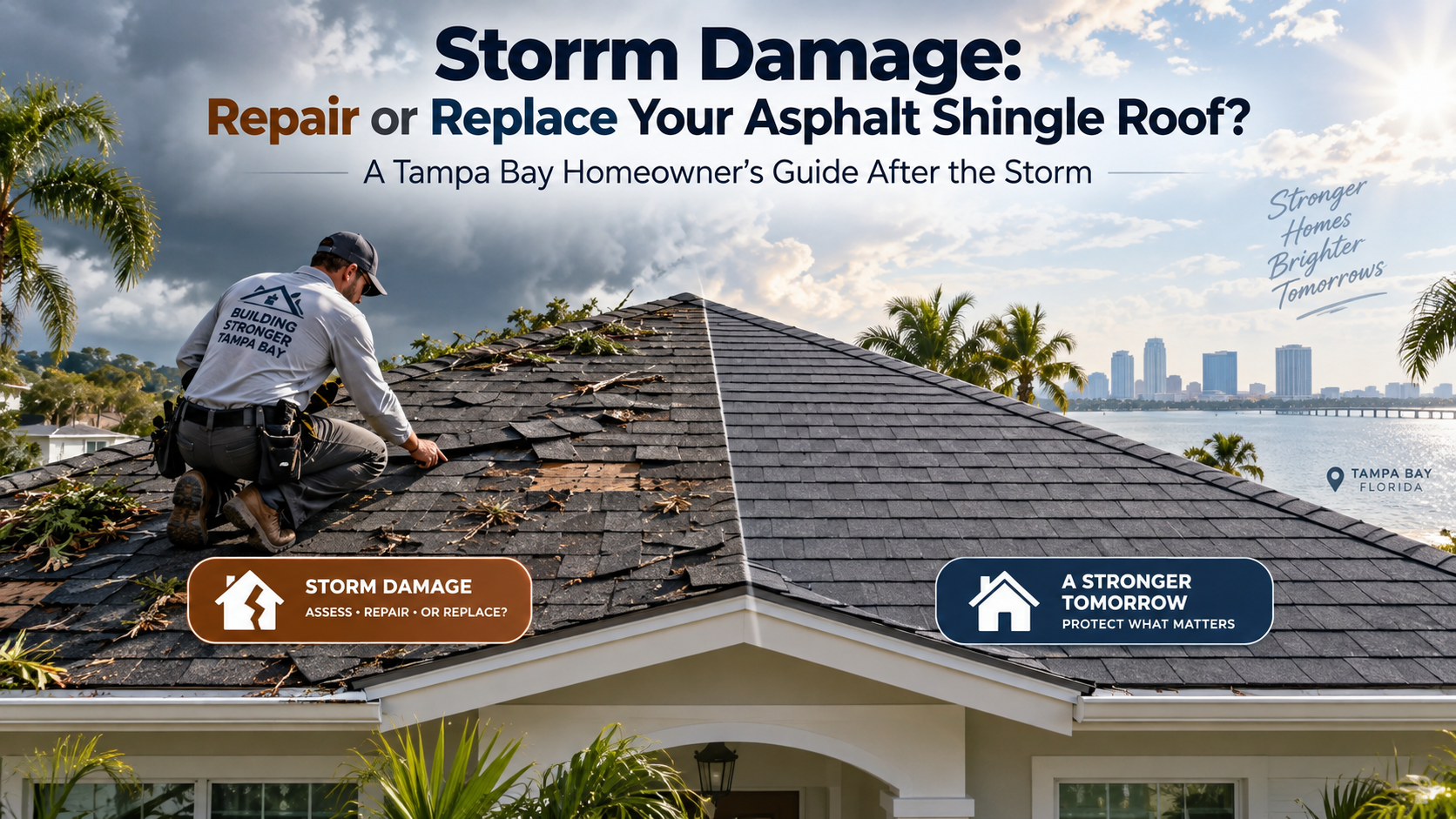
Florida storms are notorious for wreaking havoc on our roofs. With the 3 p.m. downpours, intense winds, and salt air from the coast, it’s essential to take a proactive approach in protecting our homes. After a storm, you might think your roof looks fine from the ground, but the reality can be far different. That’s why I recommend a thorough post-storm roof inspection to catch any potential damage before it leads to costly repairs or worse.
The Importance of a Post-Storm Roof Inspection
After a storm rolls through, many homeowners underestimate the importance of a roof inspection. Wind-driven rain can slip under shingles or tiles, compromising your roof’s integrity without any visible signs from the street. Neglecting this step can lead to issues like mold growth, leaks, or structural damage down the line. In our experience, the sooner you act, the more manageable the repairs remain.
During a roof inspection, we’re looking for several red flags. Missing shingles, damaged flashing, or leaks in the attic will all require attention. I’ll dive into specifics, but essentially, our inspections help ensure that your home stays safe and sound through Florida’s unpredictable weather.
What We Inspect Following a Storm
When we conduct a roof inspection after a storm, we follow a structured checklist to ensure nothing is overlooked. Here’s what you can expect us to scrutinize:
1. Missing or Broken Shingles: Wind can easily lift or tear shingles, leaving your roof exposed. We check for any debris or damage to the roofing material.
2. Flashing Integrity: Flashing around chimneys, vents, and roof edges needs to be intact. Damaged flashing can lead to water infiltration.
3. Gutters and Downspouts: Clogged gutters can cause water buildup, risking overflow and subsequent damage to your roof. We assess their condition and efficiency.
4. Inspection of Roof Edges: The roof edges often take a beating in storms. I pay special attention to ensure they remain sealed and intact.
5. Tile Underlayment Check: If you have a tile roof, we’ll inspect the underlayment. Storms can compromise the underlayment, which might not be visible at first glance.
6. Attic Inspection for Leaks: I’ve seen numerous cases where leaks become obvious only in the attic. We’ll look for signs of moisture or mold that indicate underlying issues.
Taking this thorough approach helps us to address smaller issues before they snowball into larger, more expensive repairs.
From the Field: Common Storm Damage Patterns We See
After almost three decades in the roofing industry, I’ve witnessed the same storm damage patterns time and again. For example, after a severe windstorm, we often find the same types of damage to roofs across the region.
In a recent neighborhood inspection, we noted that many homes suffered from missing shingles and compromised flashing. The ash-colored asphalt shingles from homes built in the ’90s were especially susceptible to wind lifts. We identified quick fixes for homeowner’s challenges, which ultimately prevented leaks and avoided more extensive damage.
One lesson I emphasize is that waiting too long to have a professional roof inspection can result in a simple repair turning into a full roof restoration. After a storm, it’s imperative to act quickly.
After the Inspection: What Happens Next?
Once we’ve completed your roof inspection, the next steps will depend on the findings. If we do find storm damage, the first thing is to document it thoroughly. This includes taking pictures and potentially creating a visual report of the damage.
If a repair is needed, we’ll provide you with a detailed proposal outlining what needs to be fixed and any associated costs. It’s crucial to understand what repair work aligns with the Florida Building Code and how we ensure compliance in our repairs. In some cases, replacement might be necessary if repairs don’t suffice.
Here’s a simple guide to help you understand your next steps:
1. Contact a Licensed Contractor: It’s vital to have a professional (like us) perform the inspection. We can assess the damage and guide you through the repair process.
2. Document All Damage: Take pictures and notes of any visible damage to keep for your records and for insurance purposes.
3. Prioritize Safety: If you see obvious signs of damage (like water infiltration), act quickly. Don’t ignore leaks, as that can lead to bigger headaches down the line.
4. Review Your Insurance Scope: Understand your coverage for storm-related repairs to help facilitate the process should you need to file a claim.
5. Consider Future Maintenance: After addressing storm damage, think about your long-term roofing needs. Regular maintenance and inspections can keep your roof in good condition, particularly as Florida’s weather is unpredictable.
6. Schedule Routine Inspections: Make roof inspections a regular part of your home maintenance. This prevents minor issues from developing into major headaches, especially before hurricane season.
Frequently Asked Questions
How often should I inspect my roof?
You should perform a roof inspection annually and after significant weather events, especially storms. This proactive practice helps spot any potential issues early.
What are common signs of storm damage?
Common signs include missing or broken shingles, leaks in the attic, and visible mold or dark stains on the ceiling. Don’t hesitate to contact a roofing professional if you notice any of these signs.
Can I inspect my own roof?
While homeowners can assess obvious exterior damage, it’s best to hire a licensed contractor for a comprehensive inspection. We have the tools and experience to notice hidden issues that may go unnoticed.
How long does a roof inspection take?
Typically, a roof inspection may take anywhere from 30 minutes to an hour, depending on the roof’s size and condition. We ensure a thorough evaluation in this timeframe.
Should I be worried about hidden damage after a storm?
Absolutely. Many times, damage isn’t immediately visible from the ground. Hidden leaks or compromised roofing materials can lead to more significant problems if not addressed swiftly.
What’s the first step after discovering roof damage?
Document the damage thoroughly with photographs and notes. Then, contact a reliable roofing contractor who can guide you through the next steps with transparency and expertise.
Secure Your Home with a Professional Inspection
After any Florida storm, the best course of action is to safeguard your home. Our roof inspections are designed to identify potential storm damage and uncover hidden vulnerabilities. If you suspect any issues or want peace of mind after a storm, don’t hesitate to reach out.
Let us help keep your roof in excellent shape. Get a Free Estimate today and ensure your home stays protected!