In Tampa Bay, roof damage usually doesn’t happen all at once. It builds gradually, driven by heat, humidity, and frequent storms. One week, your asphalt shingle roof looks normal. A few weeks later, you may notice dark streaks, curling shingles, or soft spots that weren’t there before.
That’s the reality of Florida’s climate. Moisture and storms quietly wear down roofing systems, especially asphalt shingles. The good news is that with the right maintenance habits, most of these problems can be caught early or avoided altogether. This guide focuses on practical, proven steps homeowners can take to protect an asphalt shingle roof in humid and storm-prone conditions.
Why Humidity Is a Constant Threat to Asphalt Shingle Roofs
In coastal Florida’s warm, humid climate, moisture is everywhere. It settles under shingles, lingers in shaded areas, and can build up after rainstorms. Over time, excess moisture can:
- Weaken asphalt shingles by softening the asphalt layer.
- Promote algae and mold growth that leads to dark streaks.
- Break down the underlayment beneath the shingles.
- Increase attic humidity, which can affect materials from below.
Moisture control is one of the most crucial factors in maintaining asphalt shingle roofs. Proper airflow, clean roof surfaces, and routine inspections work together to reduce moisture buildup and help extend roof life.
How Florida Storms Accelerate Roof Wear
Storms in the Tampa Bay area are rarely mild. Strong winds, heavy rain, and rapid pressure changes place constant stress on roofing materials.
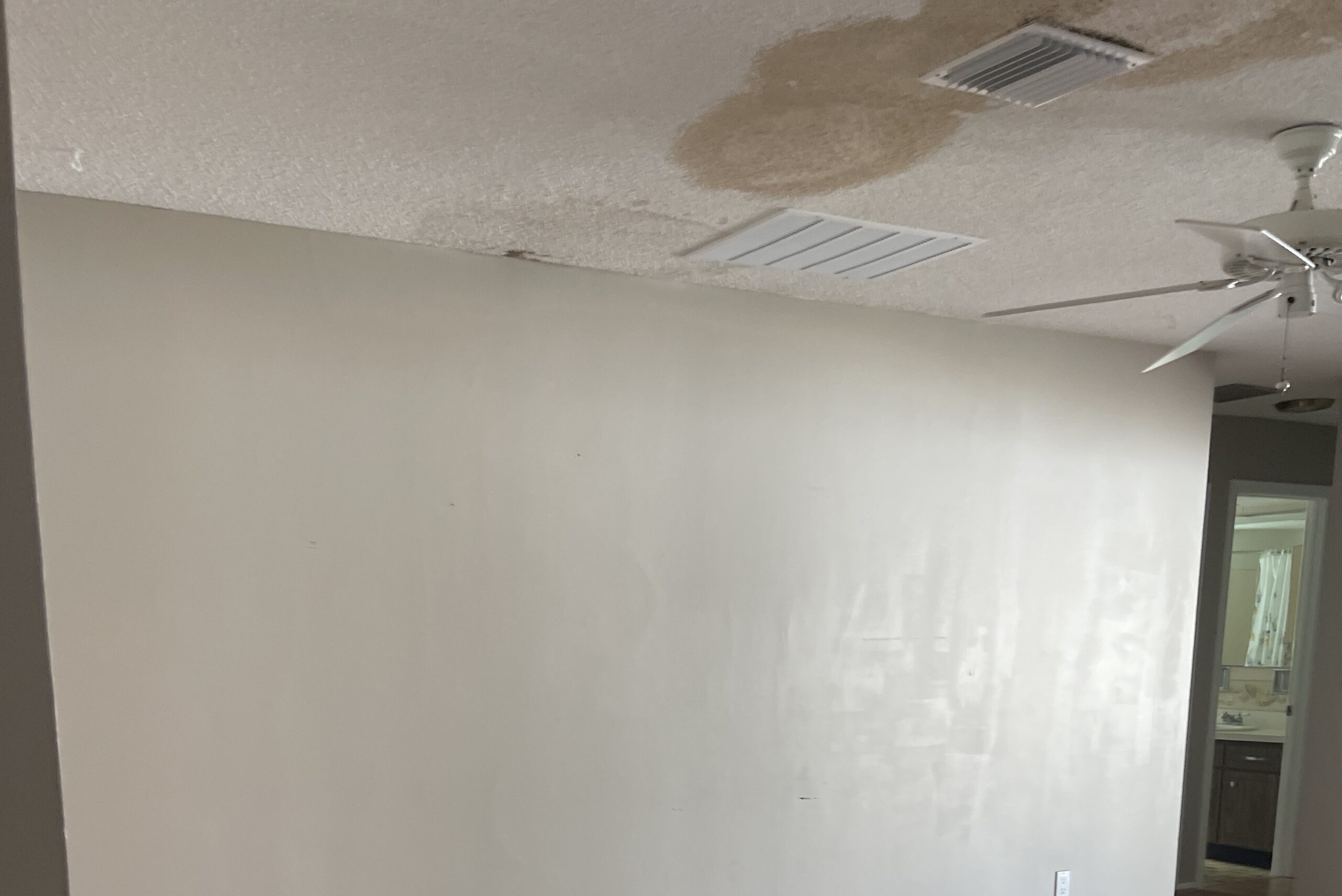
Even a single lifted shingle can allow water to enter. Once moisture gets beneath the surface, damage can spread gradually, often without obvious interior signs at first. After weeks of summer storms or back-to-back rainy days, trapped moisture may continue affecting shingles long after the weather clears.
This is why post-storm checks matter. Homeowners don’t need to climb on the roof, but a visual inspection after severe weather can help identify early issues before they become costly repairs.
Asphalt Shingle Roof Maintenance Tips That Actually Work
Consistent, simple maintenance makes a measurable difference in humid and stormy conditions:
- Keep gutters clear so rainwater drains away instead of backing up beneath shingles.
- Trim overhanging branches to reduce debris buildup and shaded, damp areas.
- Allow sunlight exposure where possible to help shingles dry faster after storms.
- Check gutters for excess granules, which may indicate shingle aging or wear.
- Schedule a professional inspection if you notice curling, missing shingles, or dark streaks.
Addressing small issues early often costs far less than repairing moisture damage that spreads into decking or insulation. These steps help asphalt shingle roofing systems perform more reliably year-round.
A Simple Seasonal Roof Check for Tampa Bay Homes
Roof maintenance doesn’t need to be complicated.
Once each season, take a walk around your home and look for:
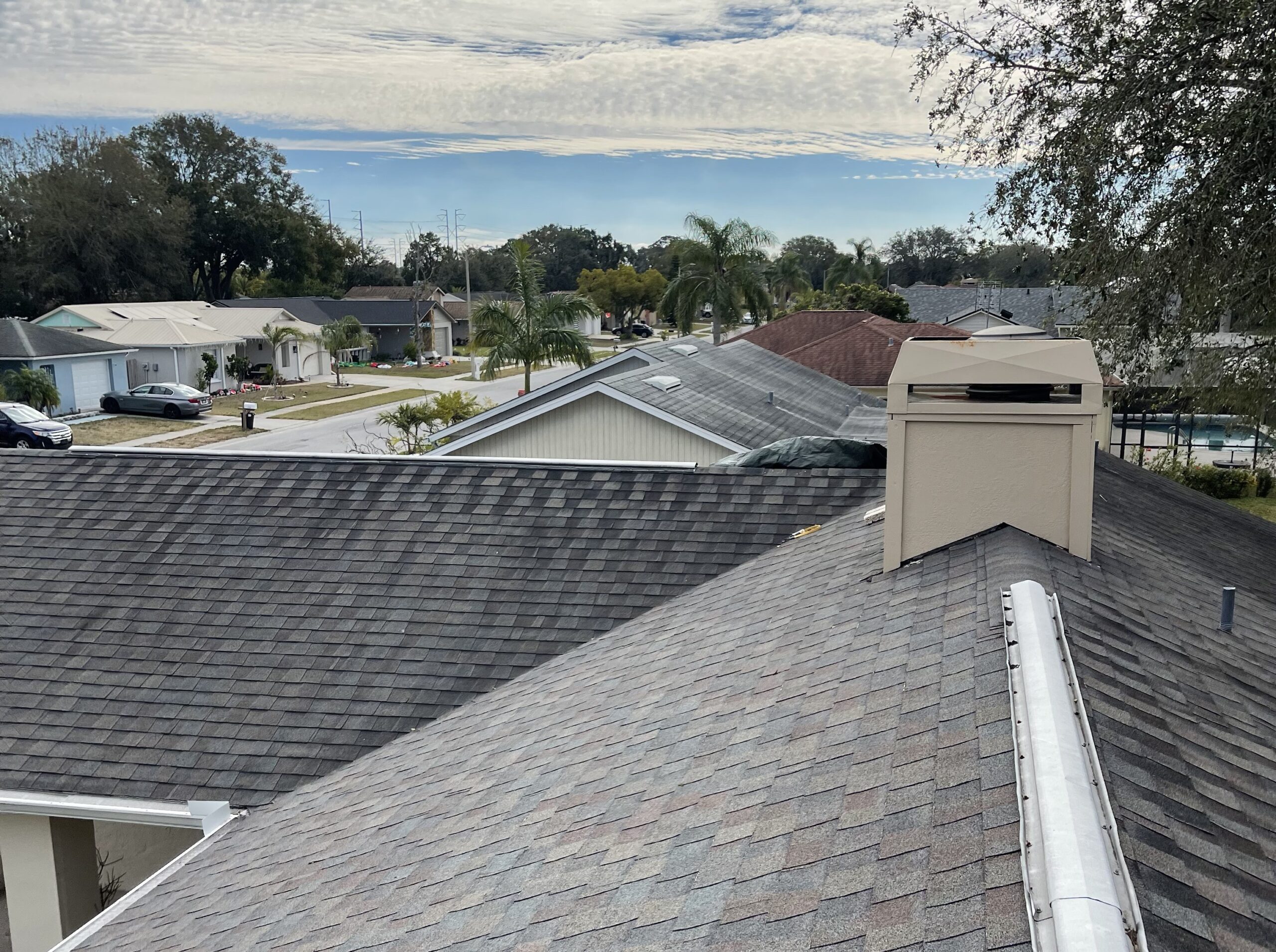
- Lifted or curling shingle edges
- Uneven coloration or dark streaks
- Areas where the roof surface appears distorted or uneven
Even when everything looks fine, humidity can cause problems below the surface. Light cleaning, proper ventilation, and periodic professional inspections help asphalt shingles withstand Florida’s demanding conditions.
Why Ventilation Makes a Bigger Difference Than Most Homeowners Realize
Ventilation is one of the most overlooked factors in roof longevity.
In humid climates like Tampa Bay, poor airflow allows moisture to become trapped in the attic. Over time, this trapped moisture can weaken roofing materials from underneath and contribute to mold growth.
A properly ventilated attic should feel dry rather than damp or muggy. Good ventilation helps:
- Reduce shingle warping caused by heat and moisture.
- Slow premature aging of roofing materials
- Improve indoor comfort during hot, humid months.
If you notice condensation, musty odors, or visible mold, ventilation may need professional attention.
Early Warning Signs You Shouldn’t Ignore
Asphalt shingle roofs rarely fail without warning.
Common early signs include:
- Dark streaks caused by algae growth
- Soft spots that may indicate trapped moisture
- Missing, cracked, or shifting shingles
When these warning signs are ignored, moisture damage can continue spreading beneath the surface, eventually affecting roof decking and even indoor air quality. Florida weather is unforgiving, but addressing small issues early is far easier and far less expensive than waiting until damage worsens.
When It’s Time to Call a Roofing Professional
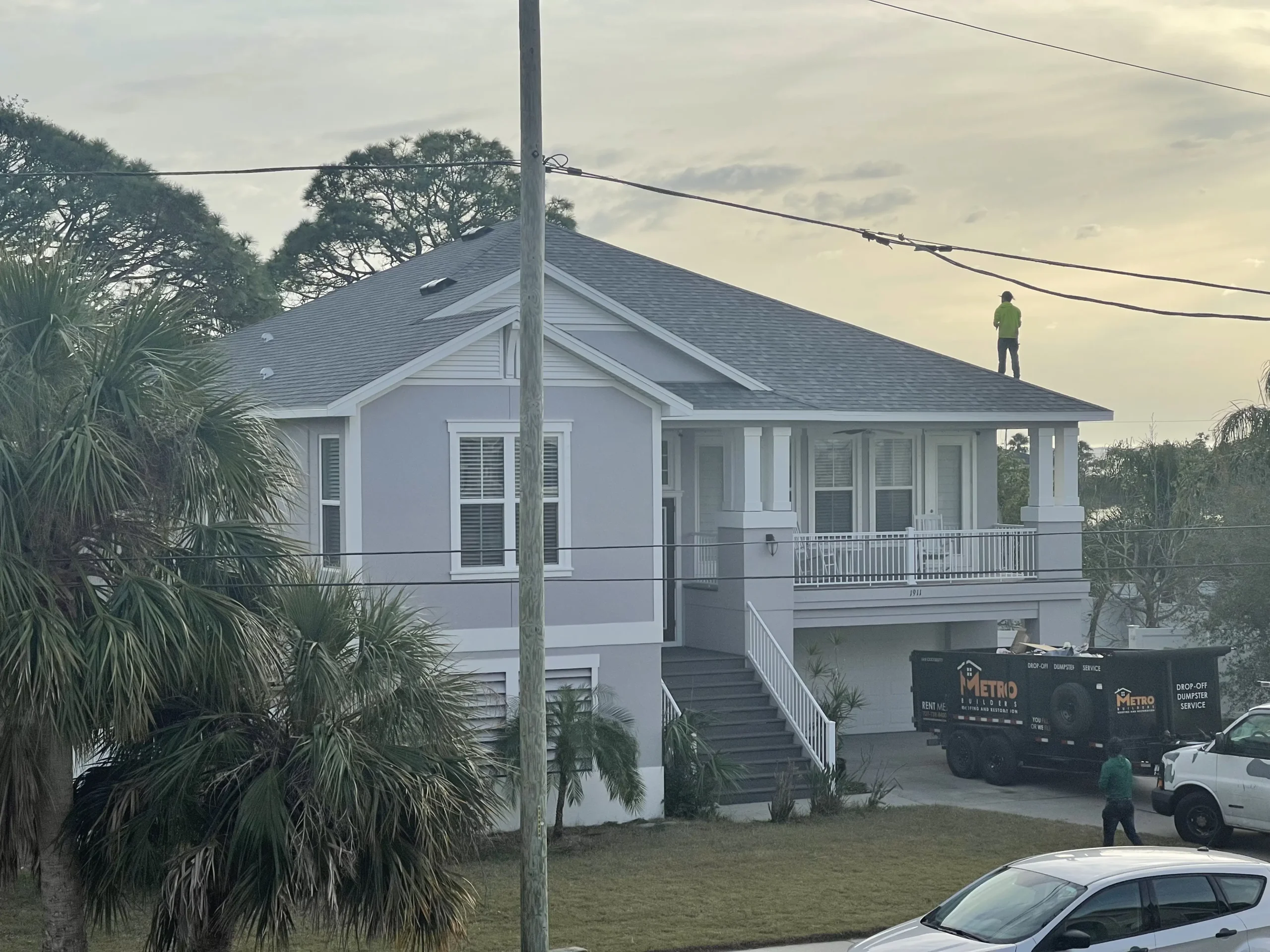
Professional inspections provide real value, especially after long rainy periods or severe storms. Many roofing companies offer inspections at no cost, including ‘Metro Builders’, and trained professionals can identify developing issues homeowners often miss.
An annual inspection helps keep your roof prepared for Florida’s heat, humidity, and storm season. Catching minor problems early can prevent larger repairs later and provide peace of mind throughout the year.
For many homeowners in Tampa Bay, asphalt shingle roofing remains a practical and dependable option when properly maintained in Florida’s demanding climate. Whether you live in Pinellas County, Hillsborough County, Pasco County, or Manatee County, understanding how humidity and storms affect asphalt shingle roofs can help you take timely maintenance steps and avoid long-term damage.
Frequently Asked Questions
What are asphalt shingles made of?
Most asphalt shingles have a fiberglass base coated with asphalt for strength and flexibility. Protective granules on top provide color, UV resistance, and added durability.
How often should an asphalt shingle roof be inspected?
At least once per year, and after major storms or extended periods of heavy rain.
How long do asphalt shingle roofs last in Florida?
With proper maintenance, ventilation, and timely repairs, many asphalt shingle roofs last between 15 and 25 years, depending on material quality and weather exposure.