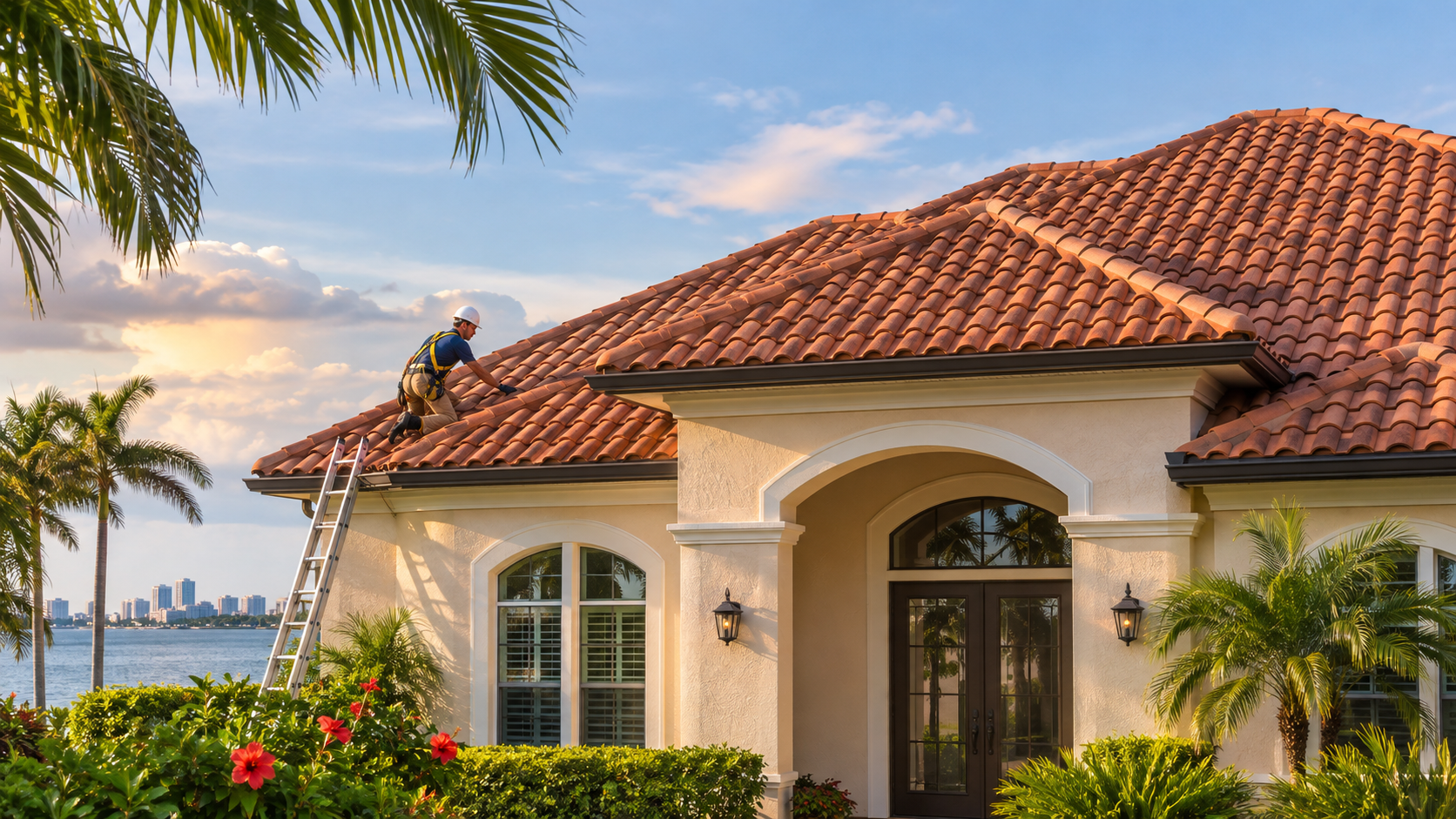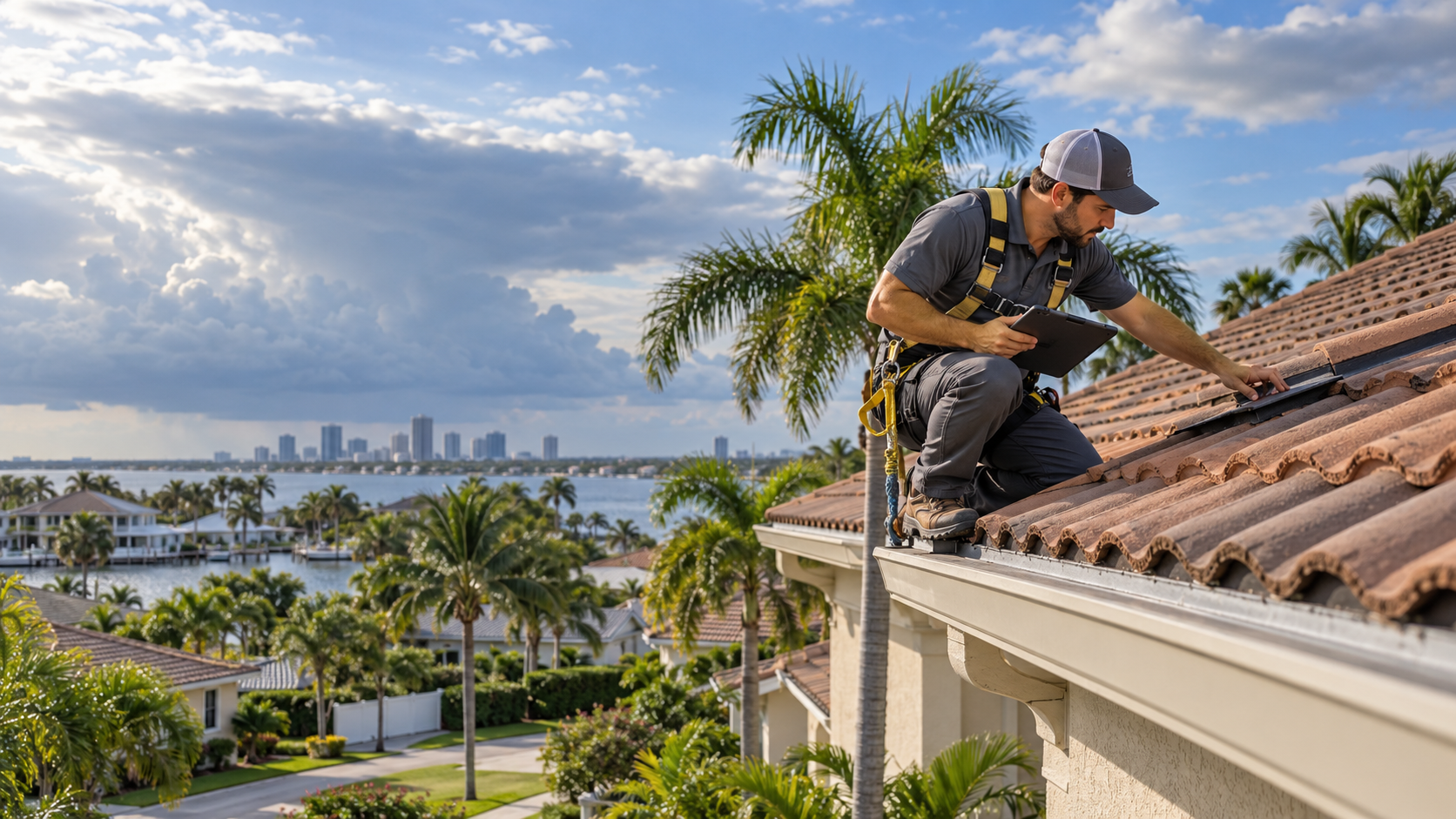
Storms can come out of nowhere in the Tampa Bay area, and if you have a tile roof, a quick inspection after the skies clear can save you a lot of trouble down the road. I’ve spent over 25 years in roofing and restoration, and I can tell you firsthand that even a small amount of wind-driven rain can lead to serious issues if left unchecked. After a storm, it’s not just about spotting missing tiles; it’s about understanding where problems can hide in plain sight.
What to Look For After a Storm
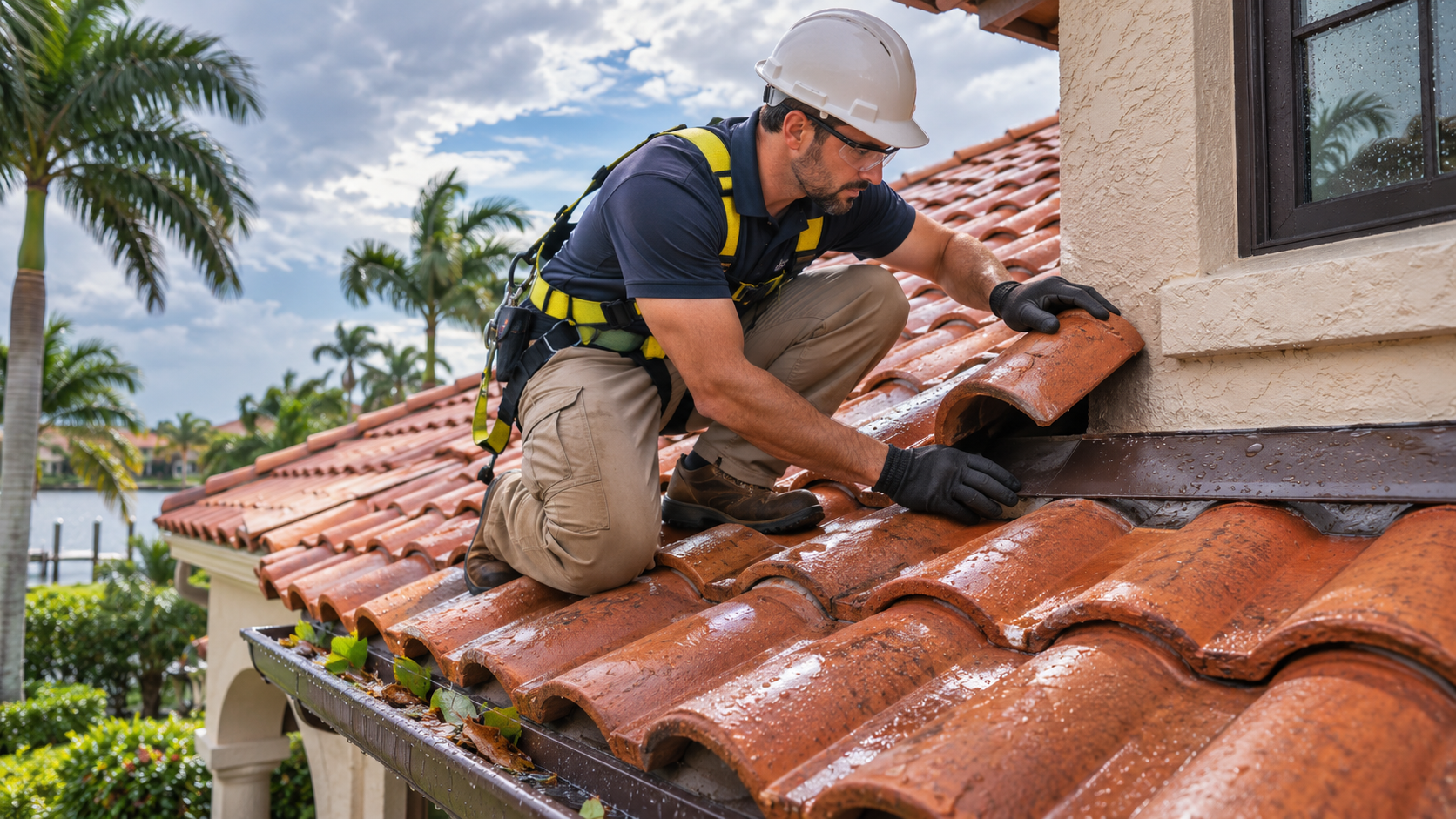
After a storm, the first step is assessing visible damage to your tile roof. You’ll want to pay close attention to these key areas:
1. Tiles: Check for cracked, broken, or missing tiles. Even one tile out of place can let water seep underneath and cause damage to the underlayment and decking.
2. Flashing and Edges: Wind-driven rain can pull flashing away from roof edges. Inspect these areas closely for gaps where leaks could form.
3. Underlayment Condition: After a storm, it’s crucial to evaluate the underlayment, which serves as the last line of defense. Water can pool and lead to deterioration, especially near roof edges.
4. Debris Accumulation: Excess debris, like branches or leaves, can trap water. Clear these away to ensure proper drainage, especially in low spots of your roof.
Don’t forget, the condition of your roof is tied to your home’s overall structure. If you notice any issues, it’s best to address them early before they escalate into a full-blown repair situation.
Seasonal Factors Affecting Tile Roofs
Here in Central Florida, constant exposure to salt air can wear down the integrity of your tile roof over time. Combine that with the afternoon storms we often experience, and you might find that roof issues develop faster than you think. Mold and mildew can also flourish in the humid conditions following rain, further compromising underlayment and decking.
Tiles may look fine at first glance. However, I’ve seen roofs that appear intact but still suffer from hidden damage. A thorough inspection takes the heat, humidity, and coastal exposure into account. Our Florida Building Code requires certain standards, and if those aren’t met, you may run into bigger issues later.
From the Field: Common Observations
What we see in the shop is often consistent after a storm. Many homeowners come to us having ignored minor issues that later snowball into costly repairs. For example, we frequently find deteriorating underlayment due to trapped moisture, leading to leaks inside homes long after storms have passed.
I’ve also noticed that many homeowners wait too long to address what seems like a minor repair. If you see one missing tile, it’s a good indicator that there may be more to inspect. In cases like this, you can count on me to advise whether a simple repair or a full restoration is needed.
The Decision: Repair or Replace?
Deciding whether to opt for a tile roof repair or a full replacement hinges on several factors. After assessing the roof, we consider:
– Age of the Roof: If your roof is nearing the end of its lifespan, it might be wiser to invest in a new roof rather than repairs.
– Extent of Damage: If you’ve lost several tiles or have a compromised underlayment, repairs can often become inefficient, and replacement becomes the more economical route.
– Insurance Scope: Sometimes, homeowners can be surprised about what their insurance policy covers. Knowing that can affect your decision, but remember we don’t file claims or adjust.
Before you make any decisions, a detailed roof inspection should guide you. Our experienced team can conduct a thorough assessment and help you understand your options.
How to Inspect Your Roof Safely
If you’re considering doing your own inspection, keep safety in mind. Here are some simple yet crucial tips:
– Use a Ladder Safely: If you’re climbing up to inspect your roof, ensure the ladder is stable and on level ground.
– Wear Appropriate Gear: Wear non-slip shoes and take care around edges to avoid falls.
– Avoid Climbing Alone: It’s safer to have someone with you in case of an emergency.
Remember, using a pair of binoculars can also help you identify roofing issues from the ground without having to go up. However, nothing beats a comprehensive evaluation from a licensed roofing contractor. They can spot issues that you might miss.
What Happens After Inspection
After your inspection, you might find it surprising how many issues can crop up in a plan with a tile roof. Once the assessment is complete, if we notice concerns, we’ll provide detailed options for repair or replacement. It’s this kind of foresight that prevents more significant disruptions later.
Following a storm, you might also want to schedule a follow-up as needed, depending on the weather. It’s all about staying ahead of potential problems. Our team at Metro Builders is always here to guide you through this, offering insight based on years of experience in Tampa Bay.
Frequently Asked Questions
How do I know if my tile roof needs repairs?
Look for visible signs like broken or missing tiles, water stains inside your home, or any signs of flashing damage.
How often should I have my tile roof inspected?
It’s wise to have your roof inspected at least once a year, more often if you live in an area prone to storms.
Can I inspect my tile roof myself?
While basic inspections can be done from the ground or with binoculars, for safety and thoroughness, hiring a qualified contractor is best.
How long does tile roofing last in Tampa Bay?
With proper maintenance, tile roofs can last 30 to 50 years. However, environmental factors can impact their longevity.
Next Steps for Your Tile Roof Inspection
Addressing roof issues in a timely manner can save you significant time, money, and stress. Inspecting your tile roof early can help prevent leaks and damage after the next storm. I recommend scheduling a professional inspection to ensure your home stays safe and sound. At our shop, we’re here to help you assess any potential issues and provide you with a detailed report.
Ready to give your tile roof the attention it deserves? Get a Free Estimate today!