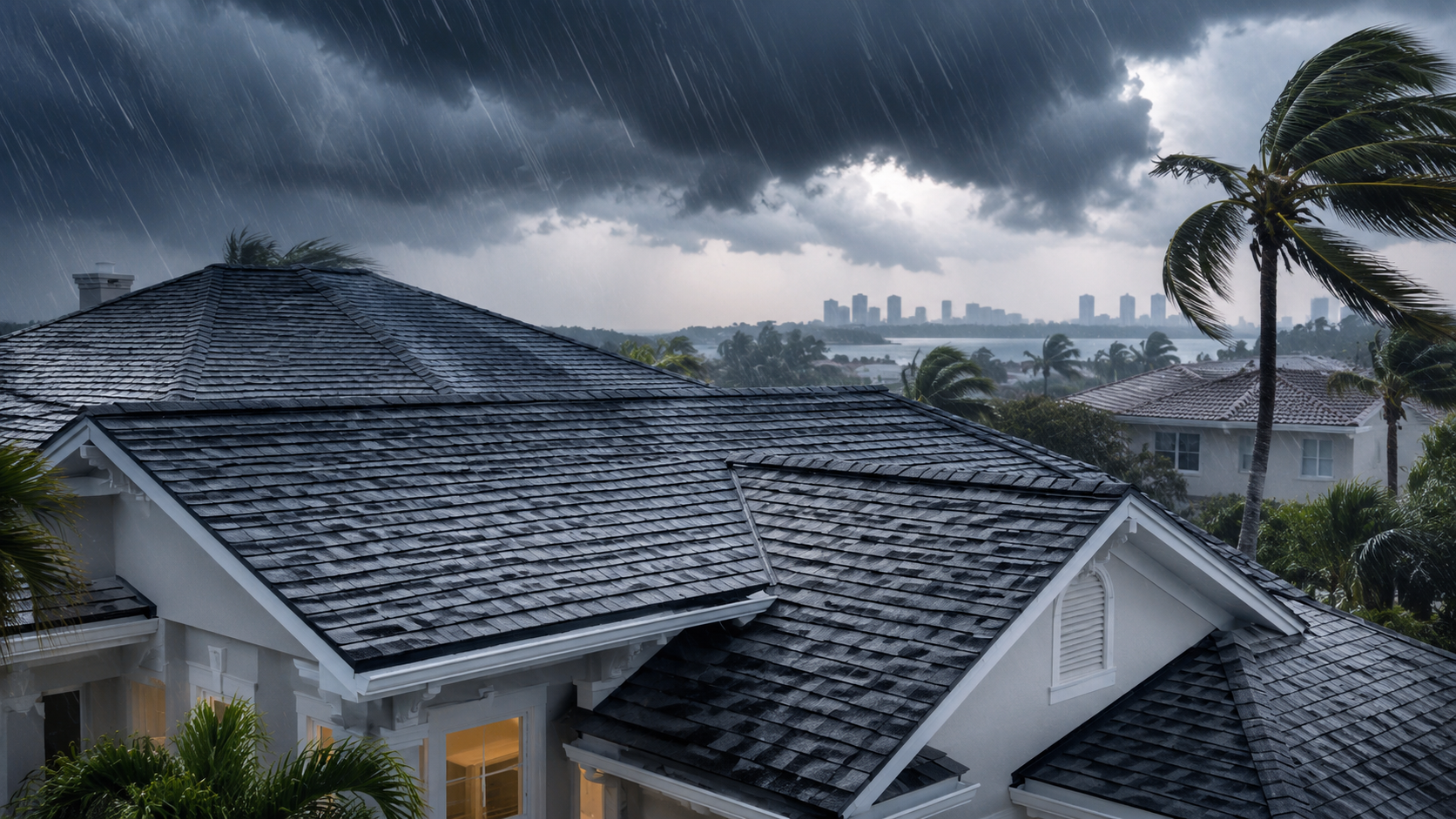
Living in Tampa Bay, I see my fair share of storms. The wind-driven rain and gusts can cause significant damage, often leading to tough decisions about whether to repair or replace your asphalt shingle roof. I’ve been in the business long enough to tell you — these decisions aren’t always straightforward. The condition of your roof after a storm can be tricky to assess, and sometimes the visible damage hides deeper issues.
Assessing the Damage After a Storm
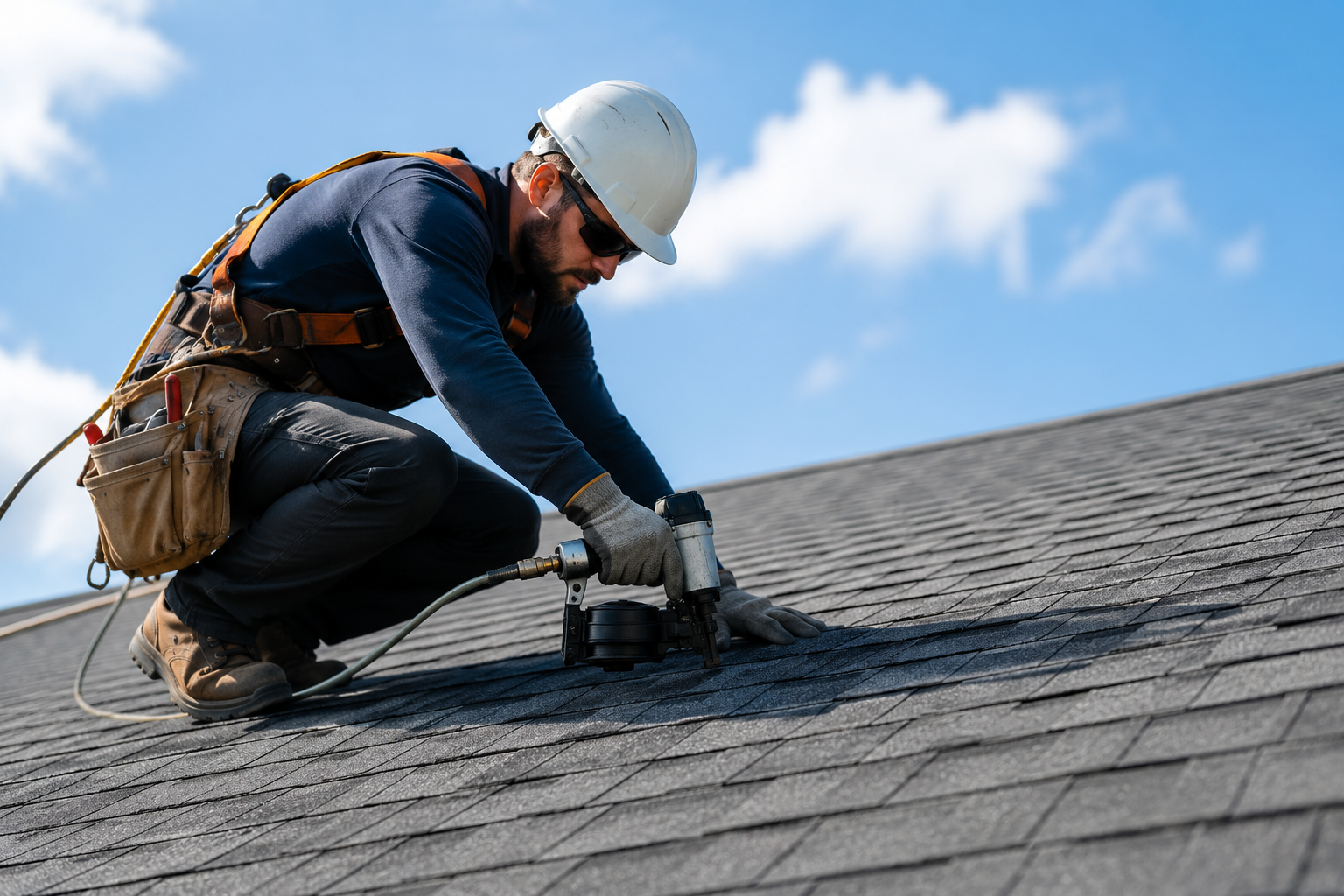
When the storms roll through, I make it a point to inspect roofs in the area as soon as it’s safe. The first thing I look for is visible damage. Are there missing or cracked shingles? Is there debris on the roof? Signs like these often point to necessary asphalt shingle roof repairs.
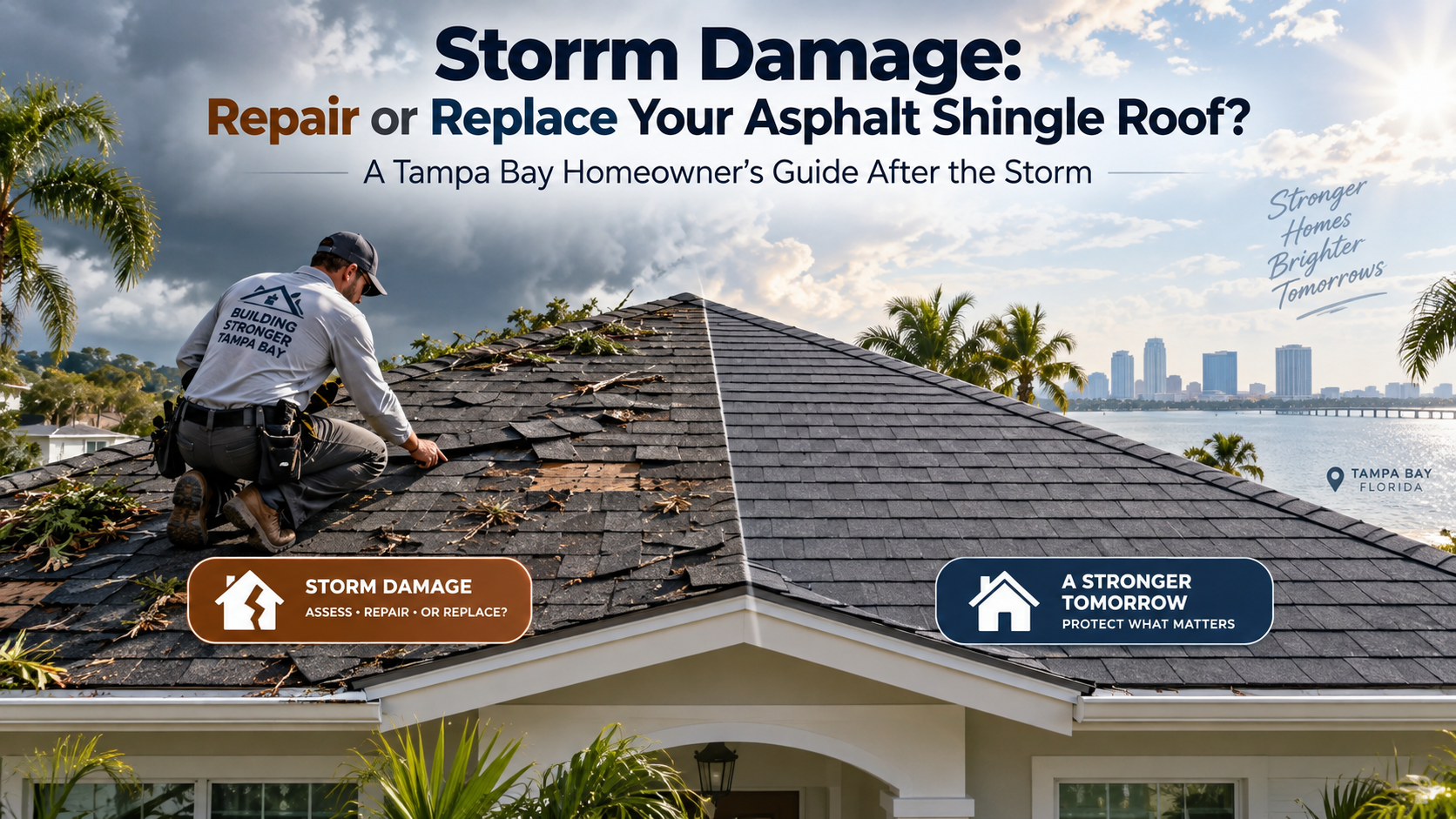
However, just because you can see damage doesn’t mean the roof needs an entire overhaul. If the damage is isolated to a few shingles and the underlayment is intact, we usually recommend repairs. The key is to not miss what isn’t visible—often, the most serious issues lurk beneath the surface, hiding in the underlayment or around flashing.
Signs It’s Time for a Repair
In our experience, it’s essential to pay attention to these indicators that might warrant asphalt shingle roof repair:
1. Missing Shingles: If shingles are missing, water can breach the roof. This is a strong indicator that you need to act quickly.
2. Cracked Shingles: Cracks in shingles can worsen over time. Seal them or replace them—better to handle it now than later.
3. Granule Loss: If you’re finding granules in your gutters or around the house, it signifies wear. It’s usually still fixable, but monitor it.
4. Water Leaks: Any signs of water spots on the ceiling indicate a more severe issue. This often means underlying damage that can worsen if not treated.
When Replacement Makes More Sense
Sometimes, the repairs outweigh the benefits. If you find extensive damage—like a significant number of shingles missing or a roof aged beyond the point of reliable repair—it might be time for an entirely new roof. Here’s what we consider:
1. Age of the Roof: Asphalt shingles typically last about 20-25 years. If your roof is nearing that age and showing signs of wear, replacing it may save you future headaches.
2. Widespread Damage: If storms have torn through several sections of your roof, repairs may only lead to patchwork. An entire new roof ensures a unified and reliable structure.
3. Underlayment Issues: If your underlayment isn’t up to Florida Building Code, it might not hold up well against our heavy rains. In that case, replacement could be the better option.
4. Frequent Repairs: If you’ve already made several repairs in a short time, that’s a tell. Constant patching isn’t sustainable. A full replacement can provide long-term stability.
What Our Inspection Process Looks Like
After a storm, we have a tried-and-true inspection process. First, we conduct a visual inspection of the roof surface for damage. Next, we check the flashing and roof edges, as these are often the most vulnerable points with storm damage. Then we look at the underlayment’s condition—this is critical to understanding whether repairs will hold up long-term.
Finally, we make sure to observe how well your drainage systems are functioning. If water is pooling on any flat surfaces or inadequately drained areas, it’s a strong sign of issues that might necessitate more than just a roof repair.
From the Field: What We See After Storms
One pattern we consistently notice after storms is damage to the edges and flashing of asphalt shingle roofs. Regardless of the storm’s intensity, these parts often sustain a disproportionate amount of wear due to wind-driven rain and debris.
Recently, a fellow contractor in Tampa reported extensive damage to roofs in neighborhoods like St. Petersburg and Tarpon Springs after one storm. Many roofs showed signs of degradation where flashing met shingles, leading us to recommend full replacements for certain properties due to hidden leaks that went undetected initially.
Making the Right Decision: Repair or Replace?
Deciding whether to repair or replace your roof often comes down to weighing the scope of the damage against your future strategic plans for the home. Here are a few steps to guide you through that decision:
1. Get a Professional Assessment: Having an experienced roofing contractor conduct an inspection can reveal issues you may not see.
2. Evaluate Potential Costs: Consider the cost of repairs versus replacement. If repairs continue, you’re looking at more significant investments down the road.
3. Check Your Insurance: Understanding your insurance coverage can help decide if repairs or a replacement are more manageable financially.
4. Consider Your Home’s Future: If you plan on living in your home long-term, investing in a new roof may provide peace of mind and added value.
Frequently Asked Questions
How do I know if my roof has storm damage?
Look for missing or cracked shingles, granule loss in gutters, and water stains inside your home. It’s always best to have a professional inspection post-storm.
How much does it cost to repair or replace an asphalt shingle roof in Tampa Bay?
Costs vary based on the extent of damage, but on average, repairs can range from a few hundred dollars to several thousand for replacements, depending on the home’s size.
What should I do if my roof starts leaking?
If you notice a leak, it’s important to contain the area with buckets or towels and contact a roofing contractor immediately to assess and repair the damage.
How long does an asphalt shingle roof last?
Typically, asphalt shingle roofs can last between 20 to 25 years, depending on environmental conditions and maintenance.
Take Action with Your Roof
Making the right choice about your asphalt shingle roof can ensure safety and longevity for your home in Tampa Bay. If you’re unsure whether to repair or replace, we invite you to schedule a roof inspection with us. Let’s assess your roof together and find the best way forward.